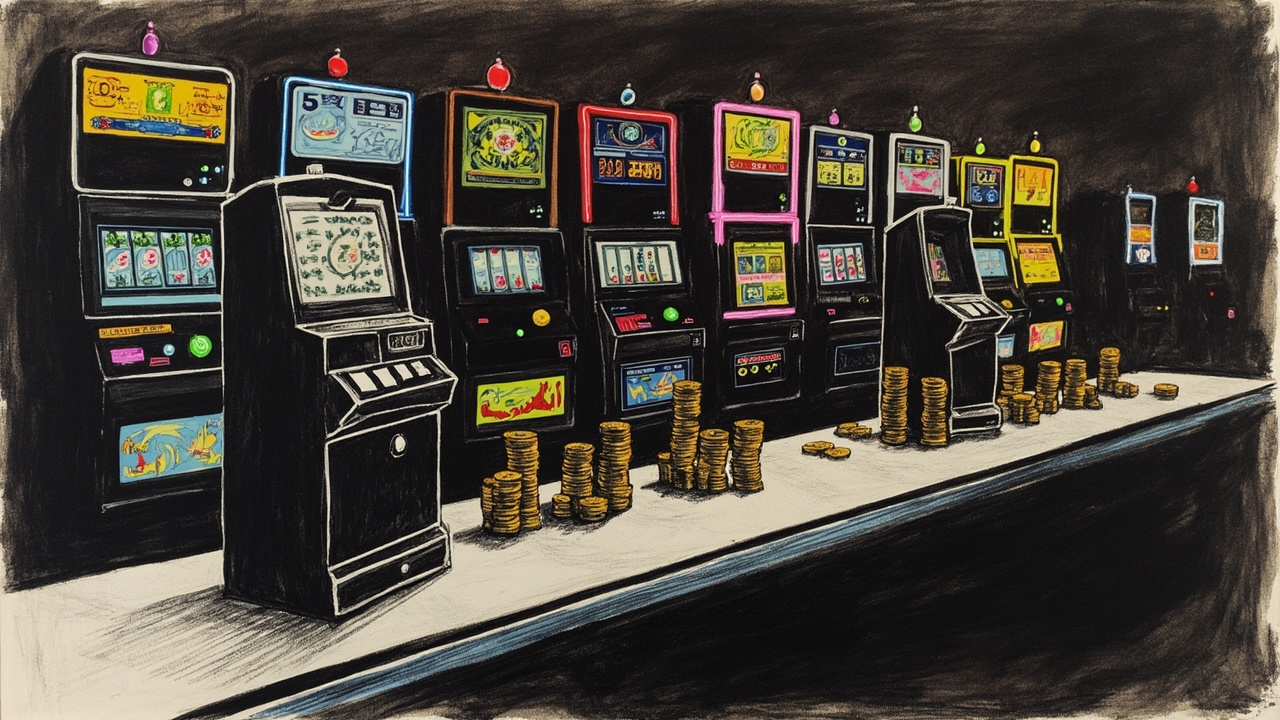
Mobile money moves faster than a kookaburra laugh on a Tuesday arvo. Gregory Laga reckons most punters treat their balance like loose change in a couch, which is a fair guess after eleven years watching loyalty cards and campaign lists at VGW. The real headache starts when a player wants a little extra on top without waiting till next pay day. That is where minor bonus pokies online AUD gets interesting for anyone living on their phone. You tap, you play, you hope the payout lands before the next round of drinks.
Pocket-sized play suits the commuter better than the desktop rig in the study. A mate in Hobart swears his phone survives the ferry ride across the Derwent, though the signal drops near the eastern shore. Banks here move on their own clocks, and a same-day payout is never a promise you can bank on. Some operators ask for a photo ID before the first spin, which slows the whole affair down. The trick is knowing which deposit path clears quick and which one sits in a queue longer than a weekend at the local RSL.
Deposit timing matters
A quick tap into the account does not mean the bonus clears in a blink. Some wallets post funds inside minutes, while a card payment can sit pending till the next business morning. The speed depends on the path you pick, and the phone screen does not change the bank’s schedule. Players who need the credit before the first spin should check the operator’s stated window before they fund the account.
Verification steps first
ID checks happen before the first withdrawal, not after the bonus lands. A clear photo of a licence or passport usually does the job, though blurry shots get sent back for a redo. The process adds a layer of friction, but it keeps the account tidy when the money starts moving. Anyone who skips the upload will find the payout stuck behind a wall they built themselves.
Withdrawal windows vary
A request can clear in a day or drag over a week depending on the method. E-wallets tend to move quicker than cards, and the operator’s cut-off time matters more than the player’s patience. A Hobart local who banks through a local branch still waits on the same backend schedule as anyone else. The timeframe is set by the payment provider, not by the device in your hand.
Mobile beats desktop play
The phone wins on convenience, but the desktop still holds a few edges for heavier sessions. Touch controls suit a short burst, while a mouse and keyboard suit a longer sit-down. The table below lays out the trade-offs so a player can pick the right tool for the job.
Feature
Mobile play
Desktop play
Session length
Short bursts on the bus
Longer sits at a desk
Deposit speed
Wallet links load fast
Card entry takes more taps
Verification upload
Photo from the camera roll
File drag from a folder
Withdrawal pace
Same backend schedule
Same backend schedule
The comparison shows the phone saves taps, not time on the bank’s side. A player who wants the least fuss should pick the wallet route and keep the ID ready before the first deposit. Australianracinggreyhound
Bonus size and limits
A small top-up sounds nice until the wagering terms kick in. The attached play-through usually asks for a multiple of the credit before any cash can be taken. A fifty dollar example shows the math plainly: if the requirement sits at thirty times, the player must wager that amount before a withdrawal clears. The limit protects the operator, and the player who ignores it will find the bonus locked tight. huff n puff slot
Local pub and RSL habits
The local pub and RSL rooms run their own machines with a different rhythm to the phone screen. A punter who spins on the pokies at the club knows the seat, the drink price and the crowd noise. Online play removes the noise, but it also removes the social cue that tells a player when to walk away. The shift in setting changes how a bonus feels, and the mobile player should treat the screen like a separate room, not a pub upstairs.
Banking paths compared
Different deposit routes carry different delays and different rules. A carrier bag of options sits in front of the player, and the wrong pick can slow the whole session. The right path depends on whether the player wants speed or a familiar card they already use. A quick look at the operator’s payment page tells you which route posts funds fastest. Theaustralian
Expert view on payments
Dylan Edwards, Payments Strategy Director, Blue Gum Gaming Council, says the backend queue is where most delays happen, not the front-end tap. He reckons a player who plans the withdrawal around the provider’s cut-off beats the rush. Hannah Anderson, Strategy Director, Swan River Interactive, warns that a bonus with a tight turn-around can trap a player who wants the cash out quick. She notes that the terms should be read before the first deposit, not after the spin count climbs.
Case study from a Hobart player
Sam, a tradie from Glenorchy, put fifty dollars into a mobile account on a Thursday night. The bonus attached was small, and the wagering requirement sat at thirty times the credit. He played through the requirement over two evenings, then requested a withdrawal on Saturday morning. The payout landed in his wallet two days later, which matched the operator’s stated window. The whole affair took more patience than the pub machines down the road, but the phone kept him out of the smoke.
Pick the right path
A player who wants the least fuss should match the deposit route to the payout speed they need. The phone makes the tap easy, but the bank’s schedule still calls the shots. Keep the ID ready, check the cut-off time, and treat the bonus terms like a road sign, not a suggestion. The right setup means the money moves when you want it to, not when the queue clears.
Horseshoes are hung “open end up” to keep luck from spilling out, and the same care applies to a bonus that sits on the account. A player who reads the terms before the first tap keeps the luck where it belongs. The phone is a handy tool, but the banking side still needs a steady hand.
You chase the free spins, ignore the wagering, and wonder why your balance stays flat. Most seasoned punters reckon they know the drill, yet the smallest promotional offers trap them hardest. You want minor bonus pokies online AUD without the usual headache, but the terms hide behind friendly marketing. The trick is reading like a floor manager who has seen every cheat in the book.
I have spent twenty years watching cabinets roll off production lines and into pubs from Parramatta to Perth. The same discipline applies to digital offers, only the sneaky bits live in the clauses. Read the conditions before you tap deposit, because the house always writes the rules in its own favour.
Wagering Multipliers Explained
Wagering requirements multiply your bonus amount before you can touch a cent of real winnings. A fifty dollar offer with a thirty times rollover means you must bet one thousand five hundred dollars before cashout. That figure sounds manageable until you realise most games contribute only part of the bet toward the target. Slots usually count fully, but table games and live dealers often contribute ten or twenty per cent.
Dylan Walker, Product Analytics Lead, Southern Cross Gaming Advisory, points out that players rarely track contribution rates across sessions. He flags that a single high-variance spin can wipe out progress without showing on the balance. You should check the contribution table before you play, because a lower multiplier with full contribution beats a higher multiplier with restricted games. The fine print lists every game weight, and you ignore it at your own cost.
Game Restrictions And Loopholes
Not every pokie qualifies for the bonus, and the excluded titles usually carry the loosest volatility. Developers sometimes lock the highest RTP machines out of promotions to protect the house edge. You will spot the restriction in a clause that lists eligible titles by provider and version. Older cabinets from Aristocrat or Ainsworth often appear in the allowed list, while newer releases sit on a separate tier.
Some cabinets include cup holders, chargers and touchscreens, a detail that matters when you compare physical and digital experiences. The physical machines reward patience and observation, while the digital versions reward quick reading of the terms. You should treat the excluded list as a warning, because the games left out usually offer the best theoretical return. Play the allowed titles first, then move to your favourites once the rollover clears.
Time Limits That Bite
Promotional credits expire faster than most punters expect, and the clock starts the moment the bonus lands. A seven day window sounds generous until you factor in work shifts, family commitments and the weekend footy crowd. You need a clear plan for each session, because idle balances vanish without a warning email. The terms specify the expiry date in bold, and you should set a phone reminder the same day.
You can track the countdown by checking the bonus panel after every login, not just at the start. The panel shows remaining time and remaining rollover, two numbers that tell you whether to push or pause. If the clock runs down while you still hold bonus funds, the house keeps the unused portion without argument. Treat the deadline like a train departure, because missing it costs you the ticket.
Max Bet Caps And Cashout Rules
Bonus funds come with a maximum bet limit that caps each spin while the rollover is active. A common cap sits at five dollars per line, and exceeding it voids the bonus and any winnings attached. You must check the cap before you raise your stake, because a single oversized bet can wipe out hours of progress. The restriction protects the operator from strategic play, and you respect it or lose the offer. Theconversation
Cashout rules often separate bonus winnings from real deposits, and the split appears in the withdrawal section. Some offers let you withdraw both pools together, while others hold the bonus winnings until the rollover clears. You should read the withdrawal clause before you request a payout, because a surprise hold frustrates even the calmest punter. The rule exists to prevent bonus abuse, and you work within it rather than around it.
Verification step
Document needed
Turnaround
Notes
Identity check
Driver licence or passport
One to two days
Must match the account name exactly
Address proof
Utility bill or bank statement
One to two days
Dated within the last three months
Payment match
Card or wallet details
Instant to one day
Name on the method must align with the account
Age confirmation
ID document
One to two days
Required before any withdrawal, not just deposit
The table shows what you need before you can move money out, not just before you play. Each row lists a step, a document, a timeframe and a condition that operators enforce in practice. You should gather the files before you claim the offer, because a delayed verification can eat into your expiry window. The process mirrors the old floor checks we ran at Crown, only the paperwork now lives in a portal. huff n puff slot
Deposit Size And Rollover Math
Small deposits suit smaller offers, and the maths stays clean when you keep the numbers modest. Say you deposit fifty dollars and receive a matching bonus with a twenty times rollover, then you must wager one thousand dollars before cashout. You can hit that figure with measured stakes and a clear stop point, rather than chasing losses with bigger bets. The offer works best when you treat it as a short session, not a weekend binge.
Noah Harris, Lead Gaming Analyst, Bondi Sports Data, warns that punters often overcommit when the bonus looks generous. He suggests setting a fixed session budget and a fixed stop loss before you spin, because the rollover pushes you to play longer than planned. You should write the numbers down, because memory fades after a few drinks and a few wins. The discipline matters more than the offer size, and the terms reward the patient player.
Withdrawal Delays And Support
Withdrawal times vary by method, and the operator usually processes requests in one to three business days. Cards return funds slower than e-wallets, and the difference shows in the terms under processing times. You should choose a method you can verify quickly, because a mismatch stalls the payout and tests your patience. The support team can explain the delay, but they cannot override the stated timeframe.
Andrew Murphy, Sports Betting Analyst, Gold Coast Gaming Network, notes that punters treat withdrawals like a scoreboard update after a State of Origin match. He adds that the wait feels longer when you expect instant results, and the terms rarely match that expectation. You should check the processing window before you request the payout, because a surprise delay ruins the mood. The rule stays consistent across most offers, and you plan around it rather than against it.
Practical Steps To Claim Safely
Read the bonus terms from top to bottom, focusing on wagering, game weights, time limits and max bet caps.
Verify your account before you claim, because a pending check can block the bonus or the withdrawal later.
Set a session budget and a stop loss, then stick to both regardless of how the spins run.
Track the rollover progress in the bonus panel, and pause when the numbers look shaky.
Request the withdrawal only after the rollover clears, and keep the support details handy in case the payout stalls.
Final Word
Read the terms before you tap deposit, because the smallest offers carry the sharpest clauses. Keep your stakes measured, your verification ready, and your expectations grounded in the fine print. The bonus only helps when you treat it like a short session with clear rules, not a shortcut to a big payout.
It is 11:14 pm on a Tuesday and you are sitting on a bus heading past Fremantle, thumb hovering over a pokies app while the salt wind presses through the window. You have already staked three rounds and the balance is dropping faster than a seagull swipes a chip from the boardwalk. That moment where the next bet feels bigger than the last is exactly what people mean when they talk about a bet size gamble trigger Australia, and it rarely starts with a spreadsheet. It starts with a mood, a slow evening, and a thumb that has not quite learned when to stop tapping.
Most mobile-only players never sit down at a desktop and they should not have to. The whole experience is built for a phone screen, which means every deposit, every withdrawal, and every verification step has to work without a second device sitting on a desk somewhere. When you play through a site like the ugga bugga slot machine, the banking flow is the first thing that tells you whether you are in a well-run room or a place that will leave you waiting on a payout for a week.
How a stake size quietly becomes a trigger
A stake size stops feeling like a number and starts feeling like a decision the moment you notice you are raising it to chase a feeling rather than a plan. You see it in the little things, like the way a punter at a Northbridge RSL will nudge a coin setting up after a dry run, telling himself the machine is due. Online it looks different but it behaves the same way, because the app does not care whether you are emotional and the balance certainly does not.
The trick is to spot the moment before it becomes a habit, which is harder on a phone because the interface is designed to keep your thumb moving. A good way to judge whether you are slipping is to ask whether the next stake is about entertainment or about recovering something you already lost. If it is the second one, you have already crossed into trigger territory and the screen will not warn you about it.
If you find yourself justifying another round because you are chasing a previous loss, it is time to step away. Recognizing that pattern early can save you from spiraling into a cycle that is difficult to break once the momentum builds. For more information on how these dynamics play out in popular games like ugga bugga, you can visit https://ugga-bugga-slot-au.com/.
Banking comes first, not after you have lost track
You should look at the deposit and withdrawal terms before you place a single bet, not after you have watched your balance slide past a number you did not mean to cross. A clean banking setup tells you how fast money moves in and out, whether there are hidden holds, and what paperwork the operator wants before it releases a payout. If the fine print reads like a riddle, that is a useful signal about the whole operation.
Anyone who has queued for a withdrawal at a pub pokies machine knows the difference between a machine that pays and a person who has to explain themselves to a manager. Online you do not stand in front of a manager, but you do face verification steps, processing windows, and the occasional delay that turns a tidy evening into a waiting game. The mobile player who never touches a desktop needs all of this to work without a printer, a scanner, or a second screen.
What mobile-only players actually need from a cashout
A mobile-only player needs a withdrawal path that does not require switching devices, because the whole point of playing on a phone is that you are not sitting at a desk trying to remember a password you typed an hour ago. You want a method that moves money out with the same ease it came in, and you want the timeframes stated plainly rather than buried in a help page nobody reads. If a site makes you jump through hoops to get your own money back, it is telling you something about how it treats players once the excitement is over.
Verification is the part most people skip until it blocks a payout, which is a bit like leaving your licence in a drawer until you are asked for it at the off Licence. The sensible move is to upload the usual identity documents before you deposit, so the operator has what it needs ready to go. That way a withdrawal is a processing step, not a paperwork crisis that leaves you refreshing a banking app at midnight.
The Perth angle on stakes and screens
Perth players live a long way from the bright lights of a casino floor and that distance shapes how they think about stakes on a phone. You can be watching the sun come up over the Indian Ocean while a pokies app sits open on the kitchen bench, and the quiet of an early morning makes a rising stake feel more serious than it would in a noisy room. The local detail matters because a player sitting in Scarborough or down near the harbour thinks about money differently when the pace of the day is slow and the screen is the only thing moving.
There is a useful contrast between playing online and standing in a pub where the pokies are tucked behind the bar and the noise gives you a sense of what other people are doing. Online the room is yours alone, which is convenient and also a little dangerous, because nobody nearby is going to notice when your stake size climbs another notch. A player who understands that difference is already ahead of the one who treats the phone like a private machine with no social guardrails at all.
A myth about stake size, then the plain truth
A common myth says that raising your stake size gives you a better shot at a big win, as if the machine reads your bet and rewards the courage. The plain truth is that a larger stake changes the pace of your balance, not the underlying chance of any single spin, and it can empty a deposit faster without improving the odds in any meaningful way. You can watch a punter at a Fremantle pub raise the coin setting after a loss and call it strategy, but all it really does is change how quickly the session ends. Manofmany
That is the bit worth keeping in mind when you hear someone talk about a bet size gamble trigger Australia as if it were a clever tactic. It is not a tactic at all, it is a warning sign that the stake is starting to run the session instead of the player.
Five checks before you raise a stake on a phone
Check the withdrawal timeframe in the banking terms before you deposit, so you know how long a payout can take rather than guessing after the session is over.
Upload your identity documents first, because a payout delay is far easier to handle when the operator already has the paperwork it needs.
Set a stake ceiling in writing, even if it is just a note on your phone, so you have a number that stops the drift before it becomes a pattern.
Compare the deposit method with the withdrawal method, since a payment path that is easy going in is not always equally fast coming out.
Watch for the mood shift where the next bet feels bigger because you want to recover a loss, and treat that feeling as a signal to pause.
Read the help page on verification and limits before you play, because a mobile-only player who never opens a desktop still needs to know where the controls live.
When a trigger is really just a tired thumb
A trigger is often just exhaustion wearing a clever disguise, and you can see it in the way a late-night session on a train home from Perth Central Station creeps past the stake you meant to stick to. The thumb keeps moving because the screen is easy and the ride is long, not because the player has suddenly discovered a new strategy. The difference between a real decision and a tired one is usually time, because a stake that looks fine at 1 am can look reckless at 9 am with a cup of tea and a clear head.
You can judge whether a session is running on mood by checking whether you would still make the same stake choice if you had to write it down and explain it to someone else. If the answer is no, you are not sizing a bet, you are reacting to a feeling, and the screen will never point that out for you.
Keeping the stake in view when the screen disappears
The best defence is a habit that survives when the app is closed, because a stake size that only exists while you are playing is not much of a limit at all. You want a number that holds up later, when the phone is in your pocket and the evening has moved on, and you want the banking details to back that up with real timeframes and real conditions. A player who checks the payout terms, sets a written ceiling, and uploads verification early is already treating the stake like a decision rather than a reflex.
The same player who notices the salt wind on the bus past Fremantle at the start of the night is the one who can still see that same wind at the end, when the balance is down and the session is finally over. That is the difference between a stake that stays under control and one that quietly becomes a bet size gamble trigger Australia.
That thin line between discipline and drift is exactly why seasoned punters keep checking the tables over at the Melbourne racing forums before the next session. When the numbers start sliding, it’s the quiet discipline that keeps a bankroll intact, not the urge to chase. Mastering that rhythm is what separates a steady run from a costly night.
The woman said it to no one in particular, eyes fixed on a faded screen above the counter.
A regular at the local club knows the rhythm of those evenings. The noise builds, the machines hum, and the exit route always leads past the high-traffic tables.
That instinct for where the money moves is not unique to physical floors. The layout funnels foot traffic past the most profitable machines and tables, a design choice that translates straight into digital lobbies when you start looking for a top online casino Nowra AUD. The maths behind a well-built lobby mirrors the maths behind a well-built reel set. Both ask the same question: where does a player look first, and what keeps them there?
The floor plan behind the lobby
A club manager in Sydney once showed me a floor plan drawn on a grease-stained clipboard. He circled the high-limit area and pointed to the walkway that cut straight through it. Nothing on that map was accidental. The same logic governs a digital entrance. The first screen should show the games people actually want, not a wall of banners.
A new player who has never registered anywhere should treat the lobby like a map. Look for clear categories, a sensible search bar, and a way to filter by stake before you commit to anything. A clean layout saves time. Time saved is money kept. The number seven is lucky across many Western gambling traditions, so a lobby that surfaces seven-reel or bonus-heavy titles first is leaning on that bias rather than hiding it.
Pokies down the road and screens at home
The difference between a local club and a browser tab is not just the furniture. Pub and RSL pokies culture and how it differs from playing online comes down to pace, noise, and who sets the limits. In a club, the machine sits where you can hear the next person lose. At home, the noise is yours to mute.
A player who walks into a Nowra venue on a wet Thursday knows the room fills up fast. The same player at a desk can pause between spins, check a paytable, and step away without losing a seat. That pause matters. It changes how quickly a bankroll drains. It also changes how much attention a bonus screen gets before you click through.
Reading the paytable before the first spin
A slot mathematician reads a game the way a mechanic reads an engine. The symbols tell part of the story. The paytable tells the rest. Start there. Find the line that explains which combinations pay, which features trigger, and what the minimum stake actually buys you.
In roulette, a bet on the first, second or third dozen pays 2 to 1. That is a clear rule you can check in seconds. A slot paytable should be just as legible. If the table is buried behind three menus, treat that as a warning sign. A game that hides its maths is usually asking you to guess.
Staking in Australian dollars without the guesswork
Currency clarity matters before any deposit. A player in a regional town should be able to see the bet size in Australian dollars without doing mental arithmetic. Some lobbies list everything in a foreign denomination and leave you to convert it mid-session. That is a poor design choice.
Say you deposit fifty dollars and set a per-spin limit that leaves room for a full session. Write the limit down. Stick to it until the session ends. A written limit behaves better than a mental one, because mental limits drift when the screen keeps flashing. The goal is control, not excitement.
Bonus screens that deserve a second look
A bonus offer should be readable in one minute. If the terms run to a wall of text, slow down. Look for wagering requirements, game contributions, and expiry dates. Those three items tell you whether the offer is usable or merely decorative.
A player who registers for the first time should compare the offer against the games they actually want to play. A bonus tied to a single title is narrower than it looks. A bonus that excludes the high-volatility games you prefer is not a bonus at all. Read the conditions before you claim anything.
Local habits that shape the search
A regular who lives near the coast knows the weekly rhythm of the town. Friday nights bring crowds. Sunday afternoons bring quiet. That rhythm affects when a lobby feels busy and when it feels empty. A player who searches for a top online casino Nowra AUD should think about session timing, not just game selection.
A quick check of a neighbour forum like local Sydney chatter can show what people in the region actually discuss about venues and habits. Those conversations are not advice, but they reveal what matters to players who live here. Use that context to judge whether a lobby suits a regional schedule.
The buffalo pokie machine and similar titles
A buffalo pokie machine rewards a specific kind of attention. The grid is dense, the symbols move, and the paylines ask you to watch more than one direction at once. That design choice changes how a session feels. A player who likes clear patterns may prefer a simpler grid.
You can see the same design thinking on buffalo pokie machine pages that break down symbol behaviour and bonus triggers. Read those breakdowns before you commit. A game that matches your attention span is easier to manage than one that fights it.
Responsible limits before the session starts
A good session begins with a stop condition. Decide the time, the stake, and the loss limit before you open the lobby. Write them somewhere visible. A timer on the desk works better than a promise you make to yourself.
A player who plays at a club knows the bartender eventually asks if they want another drink. A player at home has to ask that question alone. Set the boundary early. Respect it when the screen keeps calling for one more spin.
Checking the lobby before you register
A first-time player should spend ten minutes on the lobby before any registration. Look for clear game categories, a visible support link, and a way to see the terms without digging. If those three things are missing, keep looking.
A lobby that makes its rules hard to find is usually hiding something. A lobby that shows its limits plainly is easier to judge. Judge the lobby before you trust it.
What a regional player should weigh
A regional player weighs distance, timing, and control more than a city player does. The trip to a venue costs time. The session at a desk costs attention. Both cost money if the limits are vague.
Choose a lobby that respects Australian dollars, shows its paytables clearly, and lets you set a stop condition before the first spin. That is the practical test. Everything else is decoration.
The pub pokies machine is a patient teacher. It takes your coins slowly, never rushes you, and quietly trains you to chase a single near-miss for half an afternoon. Moving that habit online does not make it safer, only faster, and the speed is exactly where the money leaks. A session budget is just a fence, but fences only work when you actually stop at the gate. The trick is to treat a twenty-dollar spin the same way you would treat a schooner at the local: enjoy it, but never borrow against tomorrow’s rent. Players who want to play online pokies Tamworth Australia need that same pub discipline, only translated into a screen that never closes.
Most newcomers arrive with a pub habit and no online map. They tap a bonus, chase a feature, and forget that the reels do not care about their postcode or their luck at the Bowling Club. A bankroll is not a feeling, it is a set of rules you write before the first spin and follow after the last. Good staking looks boring on purpose, because boring is what keeps the wallet intact. The rest of this piece walks through session budgets, loss limits, and the moment to walk away, with a few Newcastle and Hunter details stitched in where they belong.
Set a Session Budget Before You Log In
A session budget is the amount you are willing to lose in one sitting, and it should be written down before the first tap. Say you deposit fifty dollars and decide that thirty of it is the session limit; the other twenty stays parked for a later date or a different game. That split matters because once the screen shows a win, the brain wants to feed the machine instead of protecting the remainder. A sensible rule is to cap each spin at one to two percent of the session budget, which keeps a bad run from wiping the whole amount in ten minutes. The same discipline shows up in Hunter routines, where a Saturday arvo at the local ends when the tab hits a number, not when the machine finally coughs up.
Sophie Ryan, Gaming Technology Consultant, Australian Gaming Futures, notes that feature frequency and hit rate are engineered to feel generous long before they are actually generous. She points out that a near-miss can look like a promise when it is really just a visual cue, and that is why a written limit beats a gut feeling every time. Her practical caveat is that players should check whether a bonus round is triggered by scatter patterns or by random timing, because the trigger style changes how long a session can realistically last. You can read more about how bonus structures stack up in practice at the uptown pokies bonus guide, which breaks down wagering requirements in plain terms.
Choose a Staking Plan That Fits the Reels
Staking is the rhythm of your bets, and rhythm matters more than the size of any single win. Flat staking keeps every spin the same, which is dull but reliable when you are learning a new game. Variable staking ramps up after a win or a loss, and that is where sessions usually blow up, because the machine does not reward patience with a predictable payout. A simple test is to run a hundred spins at a fixed bet and watch how often the balance dips below the starting point; if it happens too often, the game is not the right fit for that bankroll. Australian players often treat this like a Friday night at the pub, where you pace yourself rather than sprinting to the bar before the first round is finished.
Lachlan Fisher, Sports Betting Analyst, Southern Reef Gaming, observes that “live betting” now dominates a large share of online sports wagering, and the same impulse to chase a moving market shows up in pokies sessions when players raise their bets to recover a dip. He warns that chasing a live line and chasing a downswing are different games with the same weakness, which is a reluctance to accept the current number. His advice is to treat a staking plan like a pre-match limit, set before the action starts and not revised while the reels are turning. A player who wants to play online pokies Tamworth Australia should keep that pre-set line visible on the screen, because out of sight usually means out of mind.
Know Your Loss Limit and Stick to It
A loss limit is the hard stop that turns a bad session into a paid lesson rather than a week-long regret. The limit should be a fixed dollar amount or a fixed percentage of the session budget, and it should be decided before the first spin, not after the third losing feature. Some players use a time limit as a backup, such as forty minutes, because fatigue makes bad decisions look reasonable. The point is to have one number that ends the session, not a committee of feelings that argues its way back to the reels. A Hunter local might recognise the same instinct at the Newcastle Bowling Club, where a friendly match ends when the agreed frame count is reached, not when someone finally rolls a good shot.
Isla Martin, Risk and Integrity Manager, Southern Cross Gaming Advisory, writes that loss limits work best when they are paired with a cooling-off rule, because a hard stop without a pause often leads to a second session that ignores the first one. She suggests a short break after a limit is hit, long enough to step away from the screen and reset the impulse to chase. Her caveat is that a limit only counts if it is actually enforced, and enforcement is easier when the limit is tied to a visible balance rather than a mental note. Players who move from the pub to the screen need that external cue, because the screen does not ring a bell when the tab is full.
For families navigating these boundaries, sharing experiences on a supportive parenting forum can reinforce the habit of stepping back. When the urge to chase losses resurfaces, having a pre-agreed household rule helps normalise the pause. Over time, this consistency turns a moment of frustration into a healthier relationship with play.
Read the Screen Without Reading the Hype
Pokie screens are built to sell excitement, not to teach probability, and the difference matters when you are deciding whether to stay or leave. A cascade mechanic, a hold feature, or a free-spins trigger can all look like a path to a bigger session when they are really just different ways of spending the same bankroll. The useful question is not whether the feature looks fun, but whether it changes the expected length of the session at your chosen stake. A game that pays out small wins often keeps the balance ticking over, while a high-variance game can swing from full to empty in a handful of spins. That distinction is why two players can sit at the same machine and have completely different evenings.
The myth that a machine is due to pay because it has been quiet is one of the oldest scams in the room, and it survives because it feels true when you have just lost. A pokies reel has no memory of the last spin, and a dry run is not a promise of a wet one, only a reminder that variance is doing its job. The practical response is to judge the session by the budget and the staking plan, not by the last ten outcomes. A player who wants to play online pokies Tamworth Australia should treat the screen as entertainment with a price, not as a ledger that owes them a correction.
Compare Bonus Types Before You Claim One
Bonuses look generous until you read the conditions, and the conditions are where most sessions go sideways. A match bonus can stretch a deposit, but the wagering requirement decides how many spins you effectively get before the bonus balance becomes real money. Free spins look like free entertainment, yet they often come with a max win cap and a game restriction that limits where they can be used. Cashback sounds like a safety net, but it usually arrives as a bonus balance with its own turnover rule, not as money back in your account. The table below shows how the main types differ on the terms that actually matter.
Bonus type
Typical wagering
Main catch
Best use
Match bonus
20x to 40x turnover
Bonus balance locked until turnover met
Extending a session budget you already planned
Free spins
Often 1x to 5x on winnings
Max win cap and game restriction
Testing a single game without adding more cash
Cashback
Varies by operator
Usually paid as bonus balance, not cash
Softening a losing session within a planned limit
No-deposit offer
Higher turnover, lower cap
Small balance, strict withdrawal rules
Trying a game before committing a deposit
The comparison matters because a bonus that looks big on the landing page can shrink fast once the turnover is factored in. A match bonus with a high wagering requirement can turn a planned session into a grind, while free spins on a restricted game may not suit a player who wants to move between titles. Cashback is useful only when it fits inside a loss limit, because it is not a separate budget, just a partial refund with its own rules. Players who are learning to play online pokies Tamworth Australia should treat a bonus as a condition to read, not a reason to start spinning.
Build a Stop Rule That Survives a Win
A stop rule is the opposite of a loss limit, and it is just as easy to ignore when the balance is climbing. The rule can be a target profit, a time cap, or a simple count of wins, but it has to be decided before the session starts. A common mistake is to keep playing after a good run because the machine still looks friendly, which is exactly when the bankroll is most exposed to a reversal. A practical method is to move any profit above the target into a separate pocket, either by withdrawing it or by setting it aside in the account as off-limits for the session. The habit is the same as pocketing a winning ticket at the pub and ordering a final drink instead of putting it back on the machine.
The stop rule also needs a condition for when it is okay to continue, because a rigid rule can become a rigid excuse to keep going under a different name. A player might allow one more short session only if the original budget is untouched and the time cap has not been reached, which keeps the decision tied to the plan rather than the mood. Without that condition, a stop rule turns into a suggestion, and suggestions do not protect a wallet. The point is to make the end of the session a decision, not a negotiation with the screen.
Pick a Local Rhythm That Matches Your Habits
Australian players do not all play the same way, and the local rhythm matters more than any generic advice about discipline. Some players prefer a short weekday session with a tight budget, while others save a longer run for the weekend when the pace is slower and the distractions are fewer. A Hunter local might plan a session around a Saturday afternoon, then step away when the family crowd arrives at the Newcastle foreshore, because the change of scene is a useful cue to stop. The idea is to tie the session to a real routine, not to an abstract rule that disappears the moment the screen opens.
The same local sense applies to choosing games that fit the routine, because a high-variance title can wreck a short session just as easily as a loose one can waste a long one. A player who wants a steadier evening should look for games with smaller bet ranges and more frequent small returns, while a player who wants a longer watch might accept wider swings in exchange for a bigger feature potential. The choice is not about luck, it is about matching the game to the budget and the time available. A sensible session is one that fits the life around it, not one that tries to replace it.
Use a Simple Checklist Before Every Session
A short checklist removes the guesswork before the first spin and keeps the session inside the plan. The list should be quick enough to use every time, because a checklist that takes ten minutes will not survive a real evening. Each item should be a concrete step, not a vague promise to be careful, and the list should be written down or saved where it is easy to see. The aim is to make the start of the session a routine, because routines are harder to ignore than intentions.
Decide the session budget in dollars before opening the game.
Set a loss limit that ends the session no matter what the balance says.
Choose a stake that keeps each spin within one to two percent of the budget.
Pick one game and read its feature triggers before the first spin.
Set a time cap as a backup stop if the dollar limit is not enough.
Decide in advance what happens to any profit above the target.
Save the checklist where it is visible during the session.
A second list helps after the session, because the end is where the next decision gets made. The post-session list is not about judging luck, it is about checking whether the plan held up and what needs to change next time. A player who treats the review as part of the routine is less likely to repeat the same mistake on the next visit.
Record the starting balance and the ending balance before closing the game.
Note whether the loss limit or the time cap ended the session.
Check if any bonus conditions changed the effective session length.
Decide whether the stake stayed within the planned range.
Flag any game that felt too volatile for the budget used.
Note the time of day and the distractions present during the session.
Adjust one thing only before the next session, not the whole plan.
The two lists work together because the first one sets the fence and the second one checks whether the fence held. A player who keeps both lists short and specific is more likely to use them, and use is what turns a plan into a habit. The habit is what separates a controlled session from a costly one, and that is the whole point of the exercise.
Over time, this consistency builds the mental muscle needed for peak performance. You can refine your own routines by reviewing resources at daily training tips. Consistency is the bridge between knowing what to do and actually doing it.
Players frequently click the first bright banner they see and lose track of the fine print. That impulse costs more than a missed payout; it burns through a bankroll that could have stretched across a proper session. Anyone hunting for an opt in bonus online casino AUD should treat the offer like a race programme, not a lucky dip. Study the terms before you deposit a single dollar, because the difference between a useful boost and a locked box comes down to rules you can actually read.
The cautious researcher compares everything before committing, and that habit pays off when the numbers get tight. A bonus that looks generous on the homepage can shrink under wagering requirements, game restrictions, and withdrawal caps that nobody mentioned in the advert. You want a clear path from sign-up to usable credit, not a maze of conditions that change depending on which lobby you wander into. The right offer fits your play style, your budget, and the time you actually have to sit down.
Melbourne afternoons run long when the weather breaks, and a sensible player treats bonus credit the same way they treat a coffee after a session at the MCG: something to enjoy, not something to rely on. You check the expiry window, the eligible titles, and the contribution rates before you rush in. That discipline keeps the fun intact and stops a flashy promotion from turning into a frustrating afternoon.
Read the wagering rules before you deposit
Every promotion carries a multiplier that tells you how many times you must turn the bonus over before you can withdraw anything. A hypothetical example makes the mechanics plain: say you accept fifty dollars in bonus credit with a twenty-five times requirement, and you need to wager that amount across eligible games before the funds become real. The clock usually starts the moment the credit lands, so you should check whether the window runs for a week, a fortnight, or a shorter stretch that would suit a part-time player better. thepokies.net free bonus
Game contribution rates matter just as much as the multiplier, because slots often count fully while table games and live dealers may count for far less. You can verify the breakdown in the terms page, and you should treat any vague wording as a warning sign rather than a minor detail. A well-run operator lists the eligible categories clearly, and that transparency is the first thing a careful researcher looks for.
Pick an offer that matches your play style
A bonus that suits a high-volatility slot fan will not suit someone who prefers slow table sessions and steady pacing. You should match the offer to the games you actually play, because a mismatch wastes the credit before you get a proper feel for the mechanics. The best fit is the one that lets you use the bonus in a way that feels natural to your rhythm, not one that forces you into unfamiliar lobbies just to tick a box.
Think of it like packing for a trip down the Great Ocean Road: you bring what you will actually use, not everything you own. A small, flexible credit can be more useful than a large, restricted one if it lets you play your usual titles without friction. The goal is to extend your session in a way you recognise, not to chase a headline figure that looks good on a screen.
Verify fairness through the operator’s published methods
Provably fair gaming uses cryptography to let players verify that outcomes weren’t manipulated, and that same transparency matters when you are assessing a bonus offer. You can look for published verification details, clear random number explanations, and a terms page that does not hide behind vague promises. A site that shows its working gives you something concrete to check, which is exactly what a cautious researcher wants before committing any money.
You can compare that level of disclosure against the standards you expect elsewhere, like the way a serious punter checks the data feeds on foxsports.com.au before backing a runner. The point is not to turn every session into an audit, but to confirm that the operator is willing to show its methods in plain language. When the details are easy to find, you spend less time guessing and more time playing. Hotcopper
Check expiry windows and withdrawal conditions
Time limits are where many offers lose their value, because a bonus that sits idle until it expires becomes a lesson rather than a boost. You should note the exact window, the rollover requirement, and any condition that blocks withdrawals until the full requirement is met. A practical approach is to set a reminder the moment you claim the credit, then plan your sessions around the deadline instead of forgetting about it entirely.
Some offers also restrict how much you can withdraw at once, or they place a cap on the bonus-derived winnings you can cash out. Those limits are not necessarily bad, but they do change the maths of whether the offer is worth your time. A careful reader treats each condition as a trade-off and decides whether the numbers still work for their budget. Foxsports
Confirm eligibility and account requirements
Most promotions come with straightforward conditions that you can verify before you deposit, and the first step is usually confirming that your account details are complete. You should check whether the offer applies to new players only, whether it excludes certain payment methods, and whether your jurisdiction is accepted under the operator’s own terms. The Interactive Gambling Act 2001 shapes what operators can advertise and how they structure offers for Australian players, so you should read the eligibility section carefully rather than assuming every promotion applies to you.
A sensible check takes only a few minutes, and it saves the frustration of claiming credit that later turns out to be unavailable for your account type. You can also confirm whether the operator asks for any verification documents before you withdraw, because that step can affect how quickly you access your funds. Clear eligibility rules are a good sign, and vague ones are a reason to slow down.
Compare related features before you commit
A bonus does not exist in isolation, and the surrounding features often matter just as much as the headline credit. You should look at deposit methods, withdrawal speeds, customer support availability, and the range of games that actually count toward the requirement. A useful way to judge the whole package is to list the features that affect your day-to-day experience, then decide which ones matter most to you.
The kind of careful comparison you would use on hotcopper.com.au when reading company announcements works well here too, because you are weighing several signals at once rather than chasing a single number. The goal is to find an offer that fits your habits, your budget, and the way you actually want to play. When the surrounding features line up, the bonus becomes a genuine extension of your session instead of a distracting headline.
Use the credit in a controlled session plan
A practical session plan keeps the bonus from becoming a pressure cooker, and you can build one by setting a limit before you start. You decide how much of the credit you will use, which titles you will play, and when you will stop, and you write those decisions down so they are harder to ignore in the heat of the moment. The plan works best when it matches your actual availability, because a schedule you cannot keep is just a wish list.
What happens next is simple and worth following in order. You claim the credit, you read the terms, you set your session limit, and you start with a small stake to see how the games behave before you commit more of the bonus. You then track your progress against the wagering requirement, you pause if the session stops feeling enjoyable, and you withdraw only when the conditions are met and you are happy with the result. That sequence turns a flashy offer into a controlled experiment, which is exactly how a cautious player should treat it.
Track your results and adjust next time
A good player keeps a simple record of what worked, because memory gets fuzzy after a few sessions and a written note is more reliable. You note which titles counted fully, how long the window felt in practice, and whether the bonus actually extended your play in a way you valued. That record gives you something concrete to compare next time, and it stops you from repeating the same mismatch twice.
You can also judge the offer against the standard you would expect from a serious workflow, the way an automated sports setup flags bad data before it costs you time. The same discipline applies here: if the terms were unclear, if the window was too short, or if the eligible games did not suit you, you note it and look for a better fit next round. The aim is steady improvement, not a perfect score, and that mindset keeps the whole process manageable.
A last practical tip you can act on today is to open the terms page for any offer you are considering and search for the words “wagering”, “expiry”, and “withdrawal” before you deposit anything. That quick scan takes minutes, it reveals the real shape of the offer, and it saves you from committing to a bonus that does not suit the way you play.
Seventy cents. That was the take on a typical South Brisbane pub pokies floor in 2019. Jason Lorch has watched table limits creep across thirty years of floor work. You want ten dollar roulette minimum Australia, and the numbers do not lie.
Most punters think the maths is simple. It is not. A five cent bet on red feels harmless until the bankroll thins out over a long Saturday session down at South Bank.
Is a ten dollar table worth your cash
Your payday hits on Friday afternoon. Rent and groceries eat the first chunk. Entertainment budgets sit tight for the rest of the fortnight. A ten dollar table feels reachable on paper.
Real play costs more than the spin. You buy in, you lose the buy-in, you buy another. Say you deposit fifty dollars at a site like spin samurai casino australia and chase losses for an hour.
The wheel does not care about your budget. Short sentences. Long ones. That is the rhythm of the room. You need to know the edge before you sit down. Newmatilda
What changed on the floor
Old tables ran with a stiff minimum. New digital floors let operators drop the line for traffic. You see the shift in the signage before you see the wheel.
Brisbane clubs used to lock a twenty dollar floor on weekends. Now some rooms drop to five on slow Tuesday nights. The trade-off is a slower pace and more noise around the table.
Before the shift, you walked past a table and kept walking. After the shift, you stop, you watch the wheel, you count the spins. The change is real and it changes how you plan a session.
Where the ten dollar line actually sits
Physical rooms in Queensland still run a hard floor. You cannot negotiate a lower line with the dealer. The condition is fixed by the floor manager, not by you.
Online rooms list a minimum that looks low. The screen says ten, the bonus terms say something else. You read the wagering requirement before you put a chip down.
A named method helps here. Track your buy-in against your hourly spin count. If the count climbs past thirty spins an hour, the ten dollar line is costing you more than you think.
How a veteran reads the risk
I have seen NYX layouts and IGT paytables across two decades. The spin rate tells you more than the decoration on the wheel. A fast wheel burns a bankroll in half the time.
NextGen software runs smooth, but smooth does not mean cheap. You judge a table by the gap between your buy-in and your stop-loss. If that gap is thin, walk away.
Your entertainment budget should cover the loss, not the win. Payday rhythms matter because a fortnight of spending catches up fast. Plan the loss as a cost, not a bet.
What this means for Australians
Cost-of-living pressure means every ten dollars counts. You do not treat a roulette spin like a cheap night out. You treat it like a defined expense with a hard stop.
Local rooms near Brisbane still hold a social licence that online rooms do not. You walk in, you see the floor, you feel the pace. Offshore play removes that check and leaves you with a screen.
A practical step: set a timer for thirty minutes. When the timer ends, you count the chips. If the count is down, you leave the table and you do not reload.
Where the limits bite hardest
Bonus spins come with a wagering requirement that stacks the odds. You read the terms, you find the multiplier, you do the maths. A thirty times turn-over on a deposit is not a gift.
A hypothetical example makes it clear. Say you deposit fifty dollars and take a bonus that requires thirty times turn-over. You need to wager fifteen hundred dollars before you touch the winnings. spin samurai casino australia
The trade-off is time versus edge. A low minimum buys you more spins, but more spins mean more house edge grinding down your stack. You choose the line, you own the result.
What happens when the timer starts counting down before you have even clicked deposit? Most punters have asked themselves that question while staring at a promo banner on a phone screen. The promise sounds simple enough: money appears in the account, the reels spin, and the withdrawal arrives before the next coffee. Yet the gap between marketing copy and a cleared transaction is where most confusion lives. For a cautious researcher comparing every detail, that gap matters more than the headline figure. Naser Husari has spent a decade wiring sportsbook and casino interfaces that treat a payment the same way a designer treats a form field: visible, legible, and honest about its own limits. When players hunt for an instant credit casino bonus AUD, they are usually chasing exactly that kind of clarity.
A payout that lands this fast is not magic, and it is not free. It is a sequence of checks, balances, and sometimes a bit of waiting that the page does not advertise. The right way to read these offers is to treat them like a prototype: test the flow, watch where the friction sits, and decide whether the experience holds up when money is on the line.
Read the fine print before you trust the clock
The first thing a careful player should do is measure the claim against the actual steps. A fast-deposit bonus might post to the balance within minutes, but the withdrawal path can run on a different clock. Some operators hold a minimum play-through before any request clears, and that window can stretch across several sessions rather than a single evening. A sensible check is to trace the path from deposit to withdrawal on the terms page before committing any money. Western Sydney players who log on after a shift at the airport or a late bus from Parramatta often find that the clock they care about is not the one on the promo banner. casino rocket free chips mobilecasino
One local detail worth weighing is the time-zone spread across the country. AEST and AWST sit three hours apart, and that gap can decide whether a support ticket gets answered before morning or after lunch. Late-night play in a timezone that sits outside the operator’s main support window can turn a quick question into a long wait. The practical move is to note the support hours printed on the account page and compare them to the hours you actually play. A bonus that looks instant on paper can slow down the moment a verification step lands outside business hours.
A short aside here, because the usual advice misses something: players are often told to chase the fastest headline number and ignore the rest. That is the wrong instinct. A payment flow is only as good as its weakest step, and the weakest step is usually the one nobody mentions in the promo. Husari’s instinct from years of payment interfaces is to judge a bonus by the slowest part of its journey, not the fastest.
Know what actually moves and what only looks fast
Speed on the deposit side does not guarantee speed on the way out. An instant credit casino bonus AUD might arrive through a method that posts quickly, while the withdrawal route runs through a different processor with its own queue. The useful comparison is between the deposit rail and the withdrawal rail, not between two promo banners. A player comparing offers should write down the method that posts the bonus and the method that pays it out, because those two paths rarely share the same timing. A hypothetical example makes the point: say you deposit fifty dollars through a fast wallet and the balance updates in a few minutes, but the same account routes withdrawals through a slower card process that takes longer to clear.
The checkable step here is simple. Before depositing, open the banking or payments section and confirm two things: which methods are eligible for the bonus, and which methods are eligible for withdrawal. If the two lists do not match, the bonus may post quickly and still sit trapped behind a slower exit route. That mismatch is common enough that a cautious researcher should treat it as a default assumption rather than an exception.
Weigh the verification wait against the advertised speed
Verification is where many fast promises slow down. An account can look ready in minutes and still pause at identity checks before any withdrawal moves. The practical timeframe to expect is not the deposit window but the verification window, and that can vary by operator and by the documents a player has ready. A sensible habit is to keep a photo ID and a recent proof-of-address file handy before the first deposit, because a missing document can stop a payout dead in its tracks. The trade-off is plain: the faster you want the money to move later, the more prepared you need to be earlier.
Australian players also deal with a reality that sits outside any single operator’s terms. Australia’s total gambling losses per adult are consistently ranked highest in the world by researchers, a figure Zoe Fisher, Lead Gaming Analyst, Outback Gaming Research, keeps in view when she reads promo language. “A fast deposit does not change the maths on how much a player can afford to lose,” she said. “The speed of the bonus is a convenience, not a safeguard.” A player who treats instant posting as a reason to spend more is reading the feature backwards.
Compare the real cost of a fast bonus against the play-through
A quick deposit bonus usually comes with a condition attached, and that condition is where the value lives or dies. The play-through requirement is the named method that decides how many times the bonus amount, or the deposit plus bonus, must be wagered before anything can be withdrawn. A player comparing offers should write down the exact multiplier, the eligible games, and any game-weightings that slow the count. A slot that contributes fully is not the same as a table game that counts for less, and that difference can double the effective work required.
Husari judges these offers the way he would judge a transaction form: if the rules are hard to read, the product is hard to trust. A good comparison looks for a clear multiplier, a clear game list, and a clear cap on the withdrawal if one exists. The checkable step is to calculate the real wagering target before depositing, because the headline bonus figure can look generous while the path to it is long. A player who skips that calculation is usually comparing the wrong numbers.
Evie Carter, iGaming Regulatory Consultant, Blue Gum Gaming Council, reads these terms from a different angle and warns that speed and clarity do not always travel together. “A fast crediting offer can still carry terms that a player has to decode line by line,” she said. “The question is whether the operator makes that decoding possible before the deposit, not after.” Her point is a caveat, not a verdict: a quick bonus is not automatically a bad one, but it is a prompt to read harder.
Match the bonus to the way you actually play
The best fit for a cautious researcher is not the loudest offer but the one that matches the player’s own rhythm. Someone who plays short sessions on a phone after work in Western Sydney may care more about a deposit that posts quickly and a withdrawal that does not stall, while someone who spreads play across the week may care more about a manageable play-through. The concrete move is to pick one play pattern and test the offer against it, rather than chasing a number that looks good in isolation. A bonus that suits a long weekend session can be a poor fit for a ten-minute break between commitments.
A second local detail worth keeping in mind is how late-night play stretches across the country’s time zones. A player in Perth watching the clock against a Sydney-based support desk is working with a three-hour gap that can affect how quickly a question gets answered. The practical check is to align the bonus’s support hours with the hours you actually play, because a fast deposit does not help much if a stuck withdrawal waits until the next business day. A player who plans around that gap is less likely to be surprised by a delay.
For readers who want a wider view of how these offers sit alongside other local commentary, a look at indaily.com.au can round out the picture without crowding the decision. The useful habit is to treat outside reading as context, not as the final word, because the terms on the account page are the ones that actually govern the transaction.
Judge the whole flow before you commit a cent
A fair test of any fast-deposit offer is to walk the whole path once in your head before money moves. That means checking the deposit method, the posting window, the play-through, the withdrawal method, the verification step, and the support hours that cover the hours you play. The checkable condition is simple: if any one of those steps looks vague, the offer is not ready yet. A player who commits only after that list is clear is comparing the right thing, which is the whole experience rather than the headline.
The closing word on speed belongs to Fisher, who keeps the focus on what a fast bonus can and cannot do. “A quick credit is a convenience layer, not a reason to ignore the terms or the limits,” she said. Her caveat fits the cautious reader best: treat the speed as one feature among several, and let the slower parts of the flow decide whether the offer is worth a deposit. Indaily
How many times have you stared at a loading screen, wondering if the funds would ever arrive?
You know the drill. You want the top AUD pokie apps AUD instant cashout promise delivered without the usual runaround. Most punters treat banking like an afterthought until the withdrawal stalls. Then the patience wears thin real fast.
I have spent thirty years tuning slot mechanics, watching how players react when the reels stop. The psychology of a spin is one thing; the psychology of waiting for money is another beast entirely. A delayed payout feels like a rigged game, even when it is not.
Banking beats bonus features every time
You can have the flashiest licensed brand on your screen, but if the cash does not move, the product is broken. I judge a platform by its withdrawal speed, not its graphical fidelity. A smooth deposit means nothing if the exit door is jammed.
Start by checking the verification requirements before you fund the account. Upload your ID and proof of address while you are calm, not when the money is stuck. Some operators hold funds until every document clears, which can drag on for days if you wait until the last minute.
Distance matters more than most city dwellers admit. Out near Newcastle, regional internet drops out during a storm, and travel to a physical venue costs a packet. You want an app that handles low-bandwidth moments without crashing your session.
Confirm the payout method matches your deposit route to avoid routing delays.
Read the terms on bonus wagering so you do not lock your own winnings.
Check the cut-off times for processing, because midday submissions often move faster.
Keep your device charged and your connection stable during the final confirmation step.
Who actually processes the money
Casino hotels often offer “comped” rooms to gamblers based on expected play. That is a physical venue tactic, but the digital version works on similar margins. The house needs liquidity to pay out, and that liquidity comes from your deposits moving through the system.
You will find sharper discussions on cash flow over at a property investment thread where punters compare bank speeds. The chatter there treats transaction times like any other financial service, which is the right frame.
I once watched a player in a regional town drive two hours to a pub just to use a cashier because his app froze. That is a bad design, plain and simple. A proper app should handle the transaction without forcing you to leave the house.
Verification steps that stop the clock
You need a clear path through identity checks before you chase a fast withdrawal. Submit a driver licence or passport, then add a recent utility bill in your name. The system flags mismatches faster than it clears genuine files.
Say you deposit fifty dollars and win a hundred. The operator will want to confirm the source before releasing the profit. That is standard friction, not a personal slight. Keep your records handy so the review does not stall.
Link your bonus code early if you plan to play with a matched deposit. The joe fortune promo code sits in the account settings, and you want it attached before the first spin. Late claims often get rejected when the banking team audits the session.
Withdrawal timeframes that actually matter
You should expect a window of twenty-four to forty-eight hours for the first payout after verification clears. That is a reasonable benchmark, not a guarantee. Some operators move faster, and some drag the process out when volume spikes.
I have seen players chase instant promises that vanish the moment a manual review kicks in. The marketing says instant, but the backend runs on batch processing. Know the difference before you bank on a same-day result.
Regional connectivity can slow the final confirmation on your end. A weak signal near Newcastle might time out during the last authorisation step. Use a stable connection when you tap confirm, or the request can bounce back unprocessed.
When the cash lands in your account
You want the funds to hit your card or wallet without a second layer of delay. E-wallets usually arrive sooner than direct bank transfers, which is the trade-off you make for speed. Cards can take an extra day depending on your bank’s clearing cycle.
The real test is the first withdrawal, not the hundredth. Start small to see how the operator handles the paperwork and the timing. A smooth first payout tells you more than any advertised promise.
I have tuned enough machines to know that a clean exit matters more than a loud entrance. The player remembers how the money left, not how the bonus arrived. Treat banking as the main event, and the rest falls into place.
Fifty dollars vanishes quicker than a at the MCG on a Saturday arvo. That stings, but it is the kind of number that makes a weekend social player sit up and think about session budgets before the next spin. Anyone hunting for real money slots AUD top instant cashout needs to treat the balance like a night out at a pub, not a second income stream. The whole point is entertainment spend, and the fastest way to enjoy it is to decide the loss limit before the first reel turns.
A decent bankroll take starts with a hard cap written down somewhere visible, say fifty bucks for the session, and a staking plan that never lets a single bet eat more than two percent of that total. Players who chase losses because the phone notification popped up at 1am are usually the ones explaining a drained account to themselves on Monday morning. The three-hour gap between AEST and AWST matters more than most realise, because a late-night session in Perth lines up with afternoon tea in Sydney, and the temptation to keep going when the household is asleep is properly strong. No worries if the maths sounds boring; the boring maths is what keeps the fun actually fun.
How fast does a withdrawal really land
Speed claims on casino sites get polished until they shine, but the actual clock starts when the request clears the support queue, not when the player hits the button. A weekend social player should expect at least twenty-four hours for a card reversal and up to three business days if the casino is checking identity documents for the first time. The real money slots AUD top instant cashout promise only holds up when the account is already verified, the payment method matches the deposit, and the request lands on a weekday morning rather than Friday arvo. Anyone who has ever waited on a gardening.org.au permit renewal knows that bureaucracy does not care about your spin history.
Payment method matters just as much as the casino’s own processing speed, and the table below shows why a player should pick the route that suits their own timeline rather than the one with the flashiest advert.
Method
Typical arrival
Best use case
Visa or Mastercard
1 to 3 business days
Players who want the money back on a card they already use
PayPal or similar e-wallet
Same day to 24 hours
Quick access when the account is already verified
POLi or direct bank transfer
1 to 2 business days
Australian players who prefer not to share card details online
Crypto or token payout
Minutes to a few hours
Anyone comfortable with wallet setup and price swings
The row that matters most is the one where the deposit and withdrawal routes match, because mismatches often trigger extra checks that turn a same-day promise into a wait. A player who deposited by POLi and then asks for a card payout is effectively asking the casino to reverse two different rails, and that extra step costs time.
What staking plan actually survives a losing streak
A staking plan that survives a bad run is the one that treats every bet as a fixed slice of the session budget rather than a percentage of whatever is left in the account. Say you deposit fifty dollars and split it into twenty-five spins at two dollars each, then the maths is simple and the decision to stop at zero is already made before the first reel stops. Players who raise the stake after a loss are usually chasing the feeling of being back to even, which is a feeling that rarely arrives on its own. The right move is to cap the loss at the session budget and walk away, because a bankroll take only works when the exit is decided in advance.
When does instant cashout actually make sense
Instant cashout makes sense when the win is small enough to spend on something real and the player was never planning to turn the session into a second job. A fifty-dollar win that lands before dinner is a nice top-up for the takeaway order, but a five-hundred-dollar win on a Tuesday night is a different story because it changes the mood from entertainment to decision. The trick is to set a win limit as well as a loss limit, say double the session budget, and cash out the excess the moment it hits. Anyone who has ever watched a Melbourne storm roll in over the bay knows that the weather changes fast, and a balance can change just as quickly when the reels keep turning.
How do you pick a site that pays out without drama
A site that pays out without drama is the one that shows its withdrawal times in plain language, asks for identity documents upfront, and does not hide the minimum cashout amount behind a support ticket. The own link at ozwin no deposit bonus codes 2026 for existing players australia points to a page where existing players can check current offers, and that is the kind of transparency a weekend player should look for before depositing. A good rule of thumb is to read the banking section first and the bonus terms second, because the bonus terms are where the playthrough requirements live and those requirements are what turn a fast win into a slow grind. A player who skips that step is usually the one complaining later that the cashout took longer than expected. ozwin no deposit bonus codes 2026 for existing players australia
What should a weekend player do differently next time
A weekend player who wants the same fun with less friction should set the session budget on the phone, pick one payment method and stick to it, and decide the win limit before the first spin lands. The habit is boring to build and properly useful once it sticks, because it turns a random night into a planned entertainment spend with a clear end point. The real money slots AUD top instant cashout idea only works when the player controls the clock, the stake, and the exit, not when the reels do all three. A short chat between two mates at a Footscray pub sums it up better than any advert ever could.
“You still playing after midnight?”
“Yeah, but I set the limit before I logged on.”
“Smart. I lost two hundred last time because I thought the next spin would fix it.”
“Next spin never fixes anything. That is the whole point.”
The blunt judgement is that fast cashout is a useful feature only when the player has already decided the session budget, the staking plan, and the stop point before the first spin. Anyone treating it as a way to turn a night out into a side hustle is setting themselves up for a rude shock on Monday morning. The smart play is to keep it small, keep it planned, and cash out the moment the win limit hits. Gardening